





Carbon negative building
The Home Quality Mark One, Technical Manual SD239, England, Scotland & Wales, published by BRE in 2018 defines carbon negative as:
|
A building or site that generates, surplus to its own energy demand, an excess of renewable or carbon neutral energy and exports that surplus via the national grid to meet other, off-site energy demand, i.e. the building is a net exporter of zero carbon energy. Surplus in this respect means the building or site generates more energy via renewable or carbon neutral sources than it needs to meet its own regulated and unregulated energy needs. This definition of carbon negative focuses only on energy and carbon dioxide emissions resulting from the operational stage of the building life cycle, as this is the stated aim of this assessment issue. It does not take into account the embodied carbon, in terms of carbon fixing, or emissions resulting from the manufacture or disposal of building materials and components. |
These impacts and benefits are dealt with by the Home Quality Mark in Section 6.2 Environmental Impact of Materials.
BREEAM UK New Construction, Non-domestic Buildings (United Kingdom), Technical Manual, SD5078: BREEAM UK New Construction 2018 3.0, published by BRE Global Limited, suggests that a carbon negative building is:
| …one that generates a surplus to its own energy demand (i.e. an excess of renewable or carbon neutral energy) and exports that surplus via the national grid to meet other, off-site energy demands. In other words it is a net exporter of zero carbon energy. Surplus in this respect means the building or site generates more energy via renewable or carbon neutral sources than it needs to meet its own regulated and unregulated energy needs. Any surplus must be exported through the national grid. This definition of carbon negative focuses only on energy and carbon dioxide emissions resulting from the operational stage of the building life cycle (as this is the stated aim of this assessment issue). It does not take into account the embodied carbon, in terms of carbon fixing or emissions resulting from the manufacture or disposal of building materials and components. |
[edit] Related articles on Designing Buildings Wiki
- BRE articles.
- BREEAM.
- Building Research Establishment.
- Carbon neutral contract.
- Carbon ratings for buildings.
- CIC launches a carbon zero climate action plan for professional institutions.
- Climate Change Act.
- Carbon footprint.
- Carbon neutral.
- Half of public sector bodies not planning for net zero carbon.
- Home quality mark.
- Low or zero carbon technologies.
- Nearly zero-energy building.
- Net zero by 2050.
- Net zero carbon 2050.
- Net zero carbon building.
- Transform to Net Zero.
- What we need for the journey to net-zero carbon emissions.
- Wood and carbon.
- Zero Bills Home.
- Zero carbon homes.
- Zero carbon non domestic buildings.
Featured articles
Check out some of the best features and news from Designing Buildings as well as key stories from around the web.

Government scraps pre-application consultation for Nationally Significant Infrastructure Projects.
Historic England and infrastructure
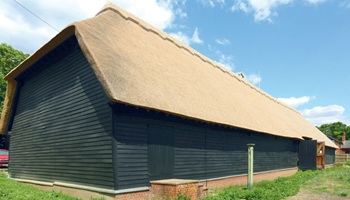
New projects offer opportunities for the historic environment and local communities.
Construction Management, 2 June
Construction deaths halve in two years.
Green Book changes to drive investment in all parts of UK.
Minimum energy efficiency standards (MEES)

CIAT briefing on response to consultations for privately rented non-domestic properties.
Connect, collaborate, shape the future

Registration now live for UK Construction Week Birmingham.

CIOB announces Saul Humphrey FCIOB as new President for 26/27 term.
A quick, simple, and zero-bills solution to prevent overheating.
The adaptive reuse of large industrial structures.
Promoting the circular economy by extending the life of buildings.
CIAT responds to Climate Change Committee report

An urgent wake-up call for both government and the built environment.
Construction Management, 24 June

FMB pilot aims to build pipeline of site-ready tradespeople.

A quick introduction.